Self-care Isn’t Selfish. Mental Health
As a designer and embroidery product reviewer, I’ve seen countless designs that look great on screen but fall apart in real use. Self-care Isn’t Selfish. Mental Health is one that carries emotional weight and visual clarity, making it a strong candidate for a variety of embroidery projects. But like any design, its success depends on how you apply it.
First Impressions: A Thoughtful Message with Visual Clarity
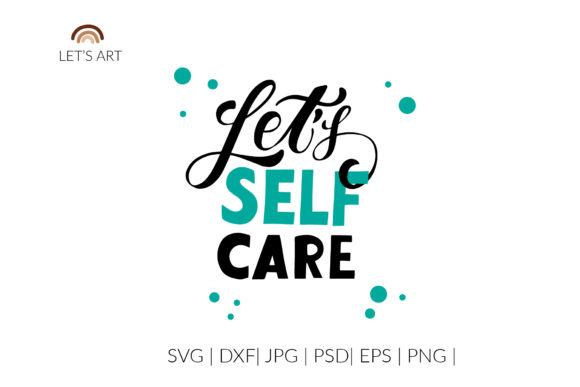
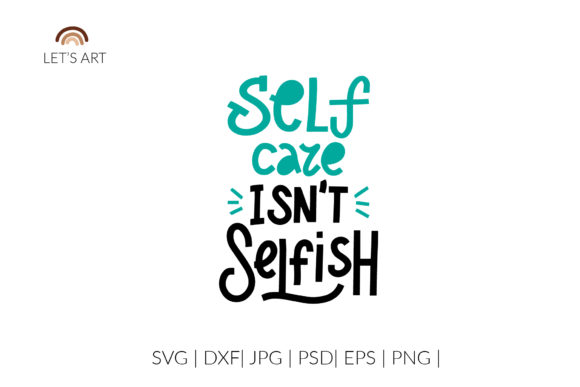
The first thing that stands out about Self-care Isn’t Selfish. Mental Health is its message. It’s a hand lettering quote that feels personal, authentic, and meaningful. The layout is clean, with a balance between text and negative space that allows the words to breathe. This makes it ideal for embroidery where simplicity often translates to better stitch performance.
The design has a soft, approachable aesthetic. It doesn’t scream or demand attention—it invites reflection. That’s a powerful quality for an embroidery project, especially when it comes to items like tote bags, sweatshirts, or baby onesies. The visual personality fits well with handmade products that aim to connect emotionally with the user.
Real-World Embroidery Use Cases
Imagine you’re preparing a custom embroidered tote bag for a client who wants something both stylish and meaningful. Self-care Isn’t Selfish. Mental Health would work beautifully as a central design. Its size—12” x 12”—is perfect for most standard hoop sizes, and the detail level is manageable without being overly complex.
It also works well on sweatshirts, aprons, and pillow covers. The design’s simplicity means it can be stitched with a mix of satin and fill stitches without becoming too dense. For small business owners or Etsy sellers, this design could be a staple in your shop, especially if you focus on mental health awareness or self-care themes.
For baby items, the design’s softness and clarity make it a good fit. However, I’d recommend testing it on a light-colored fabric first to ensure the thread color contrasts well. If you’re using a dark fabric, consider adjusting the thread color or adding a white background to keep the text legible.
Where to Be Careful: Limitations and Considerations
While Self-care Isn’t Selfish. Mental Health is versatile, there are situations where it might not perform as well. For example, if you’re working with a small hoop, you may need to break the design into sections. The 12” x 12” size is manageable, but if your machine has limitations, this could become a challenge.
Textured fabrics, thin materials, or stretchy garments can also affect how the design looks. The design’s details may not show up as clearly on these surfaces. For patches or applique designs, you’ll want to make sure the stabilizer is sufficient to hold the stitches in place.
On curved surfaces like caps or hats, the design might stretch slightly. It’s best to test it on a mockup before committing to a full project. Similarly, if the design is going to be used on a product that gets frequent washing, ensure the stitching is secure and the thread color won’t fade quickly.
Design Performance: Stitching Clarity and Visual Appeal
When it comes to stitching clarity, Self-care Isn’t Selfish. Mental Health holds up well. The lettering is bold enough to stand out without being overwhelming. It’s a good choice for both personal and commercial projects, provided you follow proper embroidery techniques.
The design’s visual appeal is strong, especially when used on light backgrounds. On darker fabrics, the contrast may need adjustment. I recommend testing it in black and white mockups to see how it looks before finalizing your design choices.
For small shop products or boutique branding, this design can add a professional touch. It’s easy to recognize, which helps with brand consistency. As a gift item, it has a high emotional value, making it more likely to be appreciated by recipients.
Practical Designer Notes: What to Check Before Using
Before using Self-care Isn’t Selfish. Mental Health in your embroidery project, here are some practical steps to take:
- Test the design on scrap fabric to see how it looks in real life.
- Check thread color contrast, especially on dark or light fabrics.
- Review the stitch density to ensure it’s appropriate for your project.
- Confirm the hoop size required for your machine.
- Inspect small details to make sure they’re clear and consistent.
- Test the design in black and white mockups for better visibility.
- Compare how it looks on different fabric types and textures.
- Use the right stabilizer for your material to prevent puckering or distortion.
- Ensure the design works for both personal and commercial use.
- Confirm licensing terms if you plan to sell finished items or digital products.
Final Thoughts: A Design That Speaks Volumes
Self-care Isn’t Selfish. Mental Health is more than just a design—it’s a statement. Its clean layout, thoughtful message, and visual clarity make it a valuable addition to any embroidery project. Whether you’re creating personalized gifts, custom apparel, or small shop merchandise, this design has the potential to resonate with your audience.
As with any embroidery file, the key to success lies in understanding its strengths and limitations. With proper preparation and attention to detail, Self-care Isn’t Selfish. Mental Health can become a standout piece in your collection, helping you connect with customers on a deeper level.